What prior art in laboratory and domesticated species can teach product developers
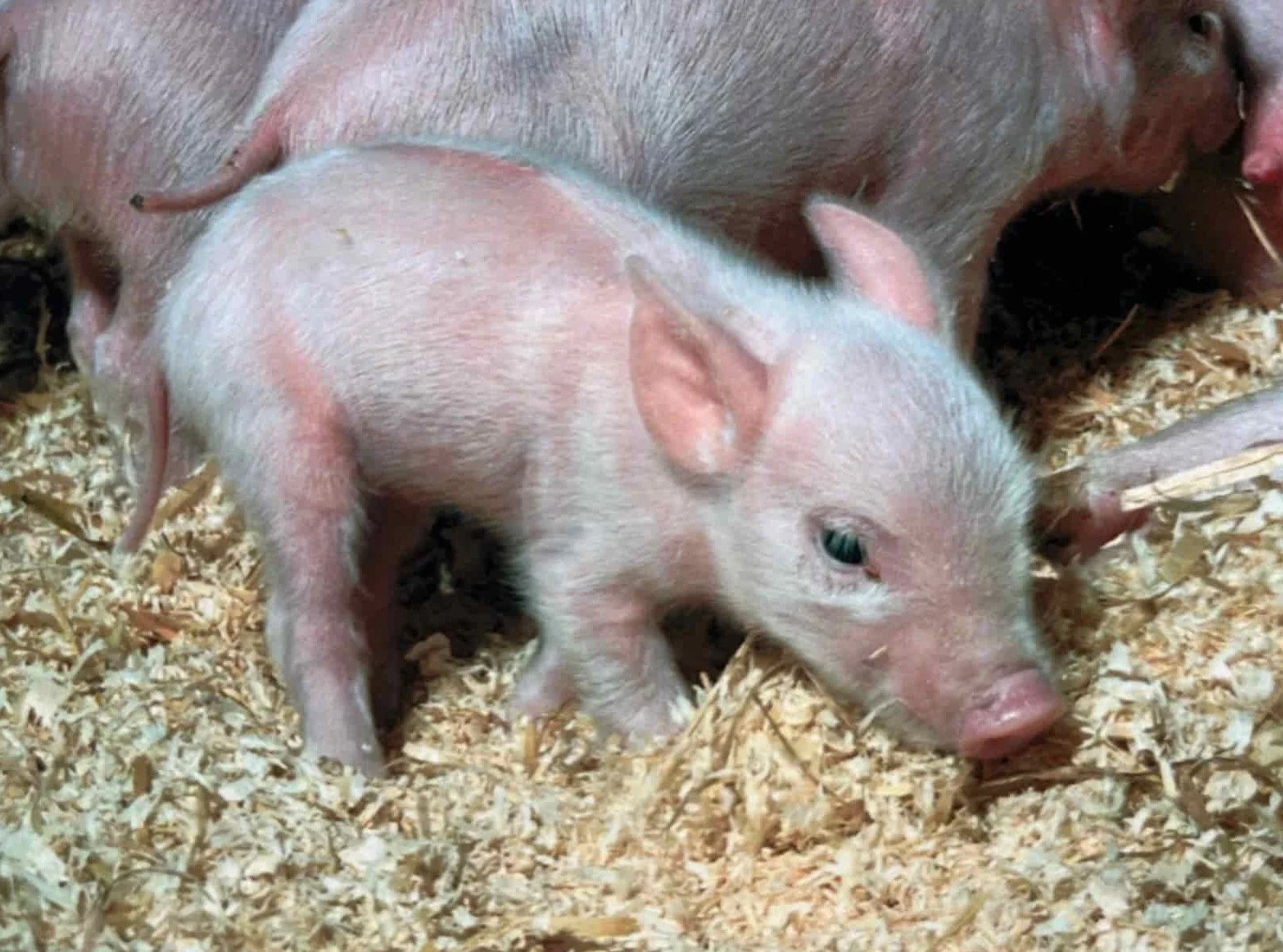
How established knowledge in laboratory and domesticated species (mouse, sheep, cattle, pig, human) can inform product development for less-explored applications.
Framing technical value in language that resonates with biologists and engineers
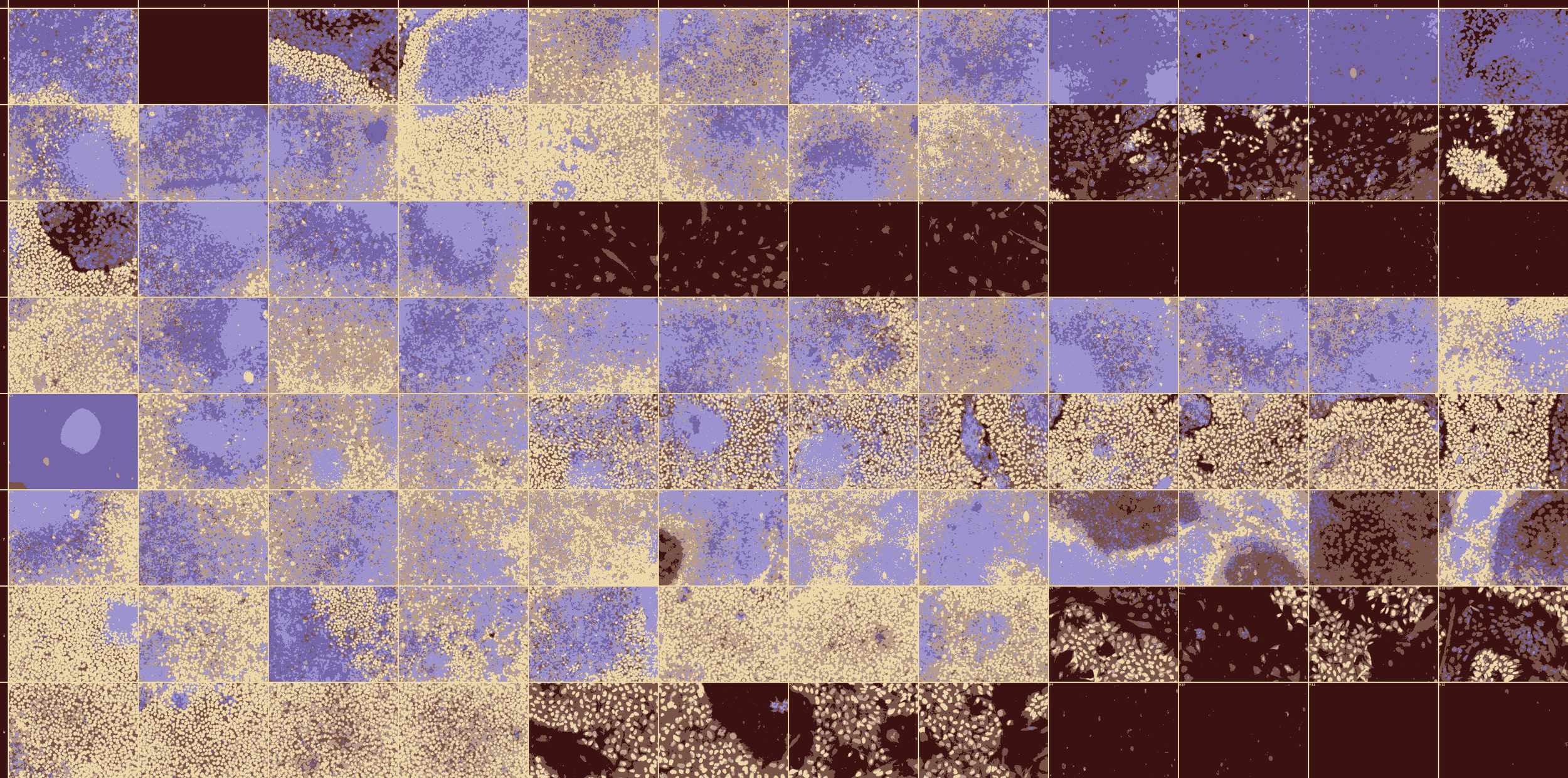
How to describe what your product does in terms that resonate with biologists and engineers who work in developmental and stem cell science.
Defining your buyer when the decision maker trained in a different discipline
How to identify and reach buyer decision makers across disciplines trained as an engineer, physicist, developmental or stem cell biologist or business person.

Demand validation: testing whether the scientists you think need your tool actually do
How to test whether the scientists and engineers you think need your tool actually do. Methods for validating demand before committing to product development.

Mapping competitive landscape when your category barely exists yet
When your category barely exists, how to assess who else operates in your space and differentiate on substance rather than marketing claims.
How to identify which stem cell workflows your product actually serves
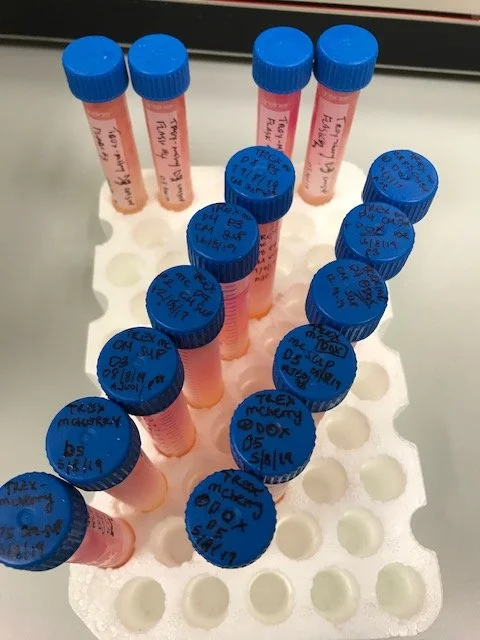
How to map which specific workflows and bottlenecks your product addresses. Identifying the right application context before defining buyers.
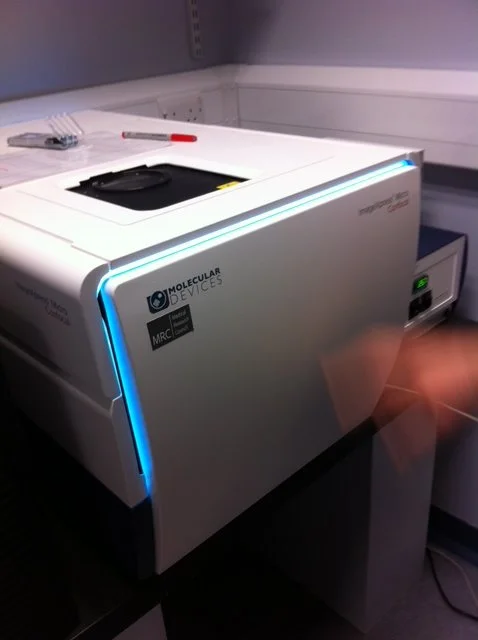
Positioning your TechBio product in developmental and stem cell science
Pillar article for third blog series on how TechBio companies should approach positioning their product in developmental and stem cell science.
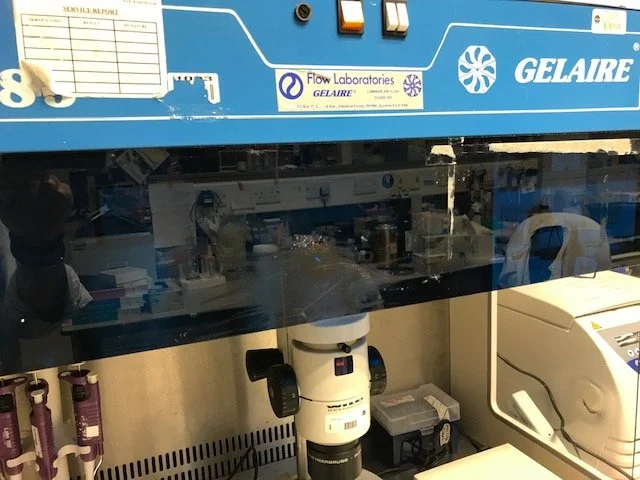
Product-market fit in stem cell TechBio: building for workflows, not for papers
Tools built for academic novelty rather than industrial workflows. Microfluidic systems too complex, expensive, slow. How to test whether your product fits real demand.
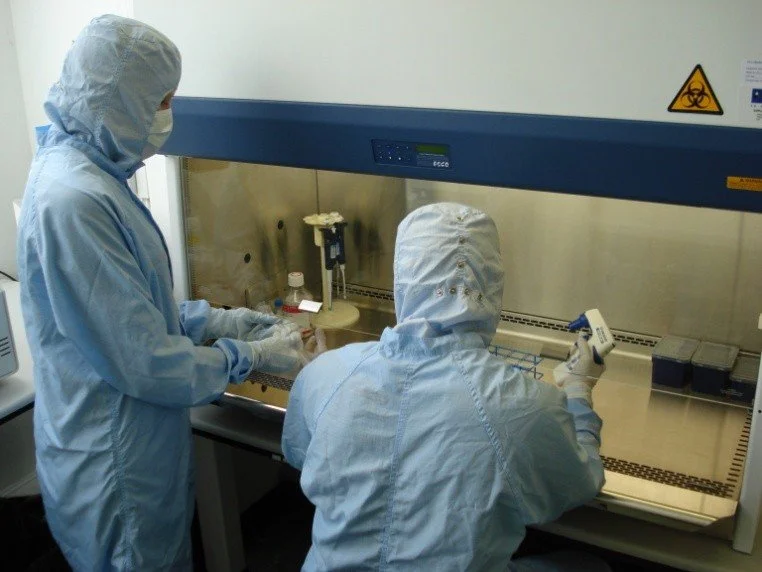
The regulatory cliff: moving from research-grade to GMP-compliant product
Research-grade reagents cannot enter clinical pipelines. GMP, documentation, traceability requirements. The gap between interesting lab tool and regulated product.
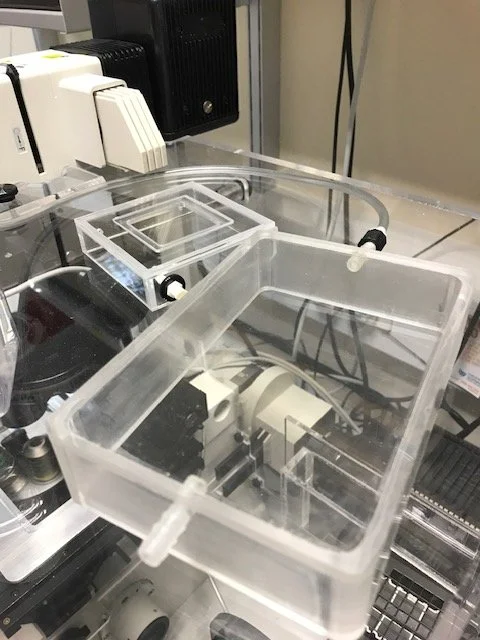
Toolchain fragmentation: why imaging, culture, and data systems need to talk to each other
Imaging, culture, data, and automation systems built in isolation. Manual workflows dominate. Why poor integration limits adoption beyond expert labs.
Cryopreservation and supply chain fragility in clinical-grade cell products
Cells lose viability and function after freeze-thaw. Batch variability increases with storage. Critical for clinical trials and commercial supply chains.
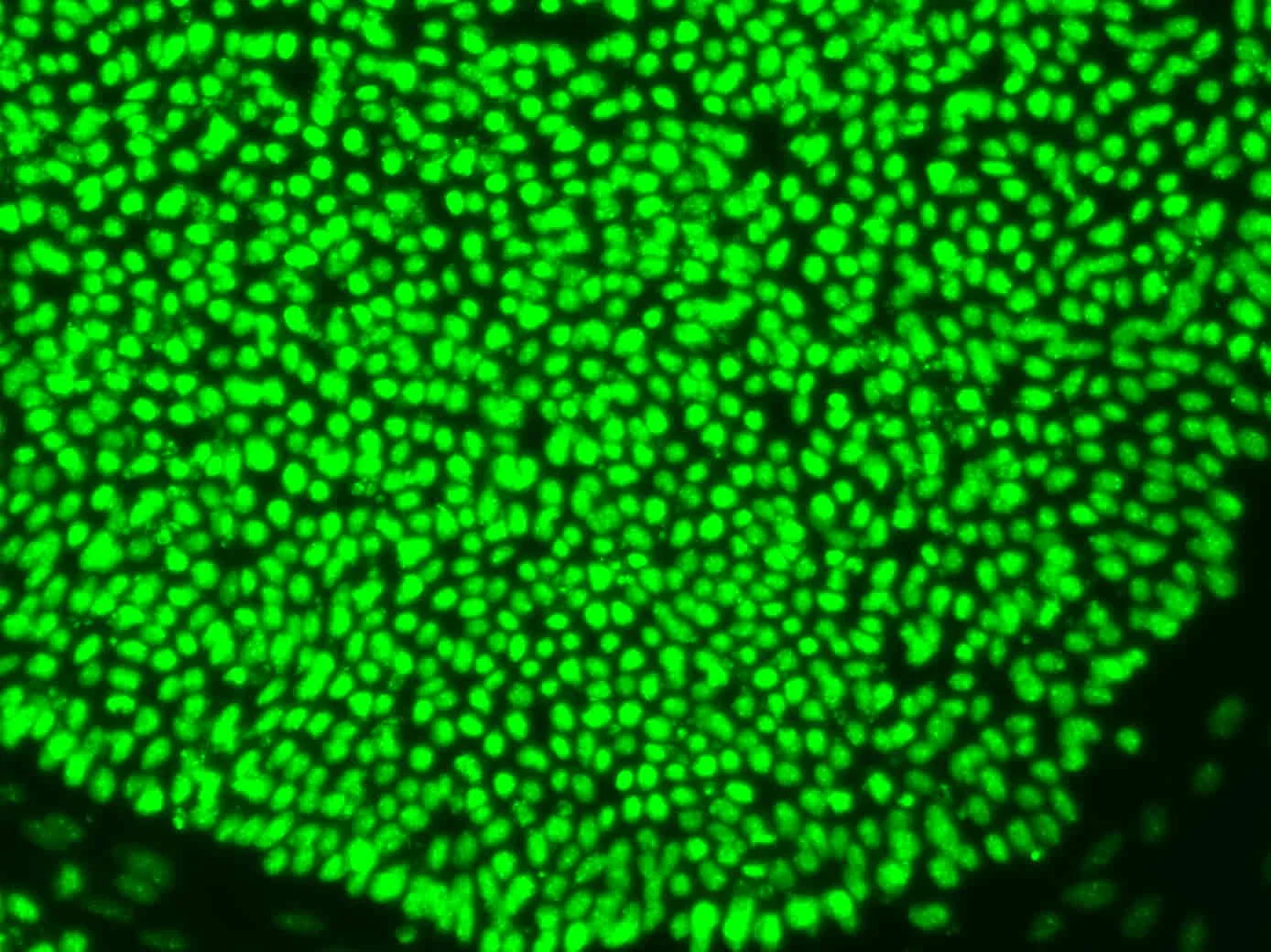
Characterisation gaps: what current assays miss about stem cell quality
Current assays miss subtle stem cell state shifts. Epigenetic instability, differentiation drift, and what this means for regulatory submissions and clinical outcomes.
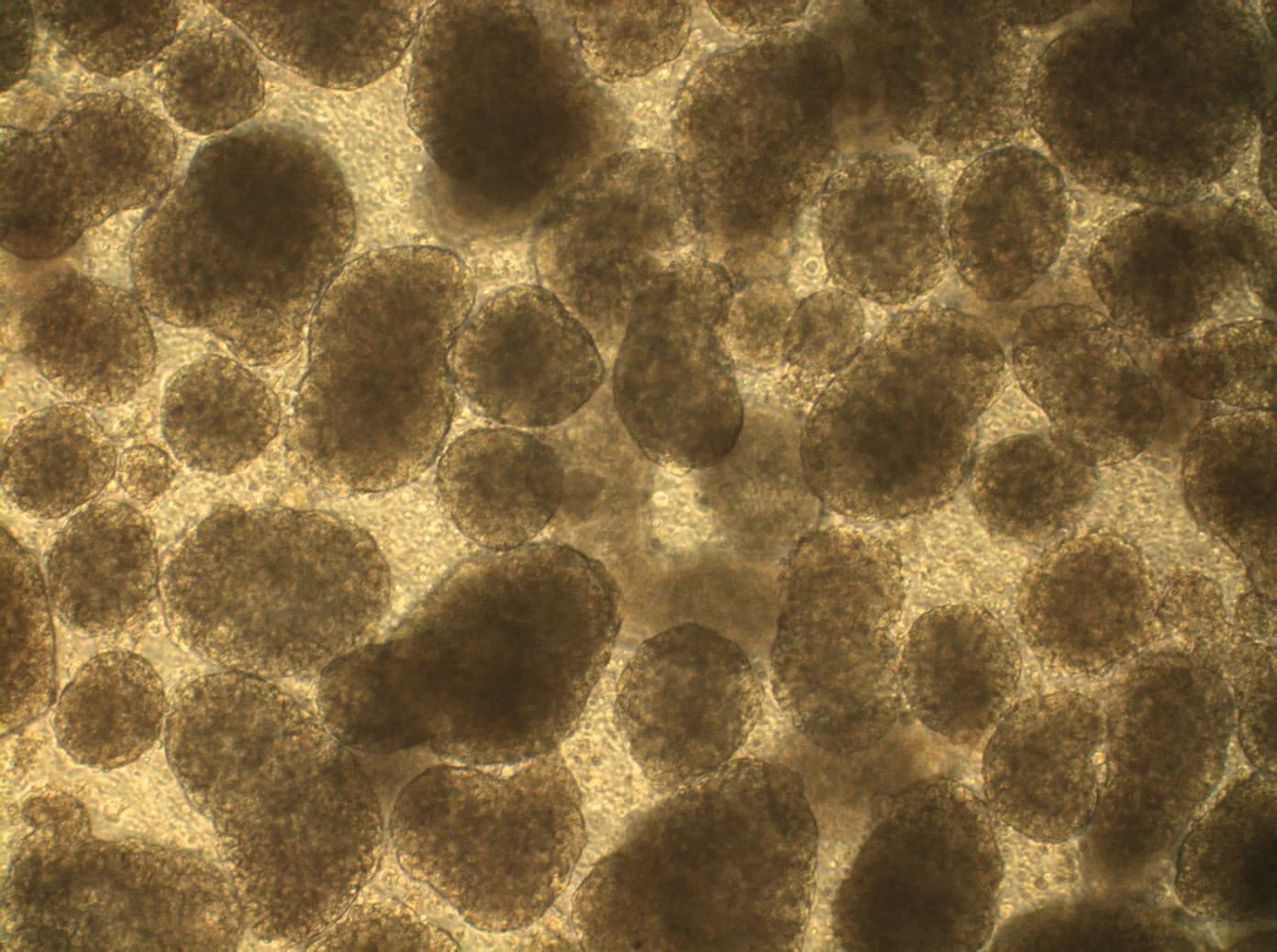
When lab-scale biology meets manufacturing reality: where most scale-up goes wrong
The physics and biology of scale-up: shear stress, nutrient gradients, contamination. Where suspension culture and bioreactor platforms lose cell quality.
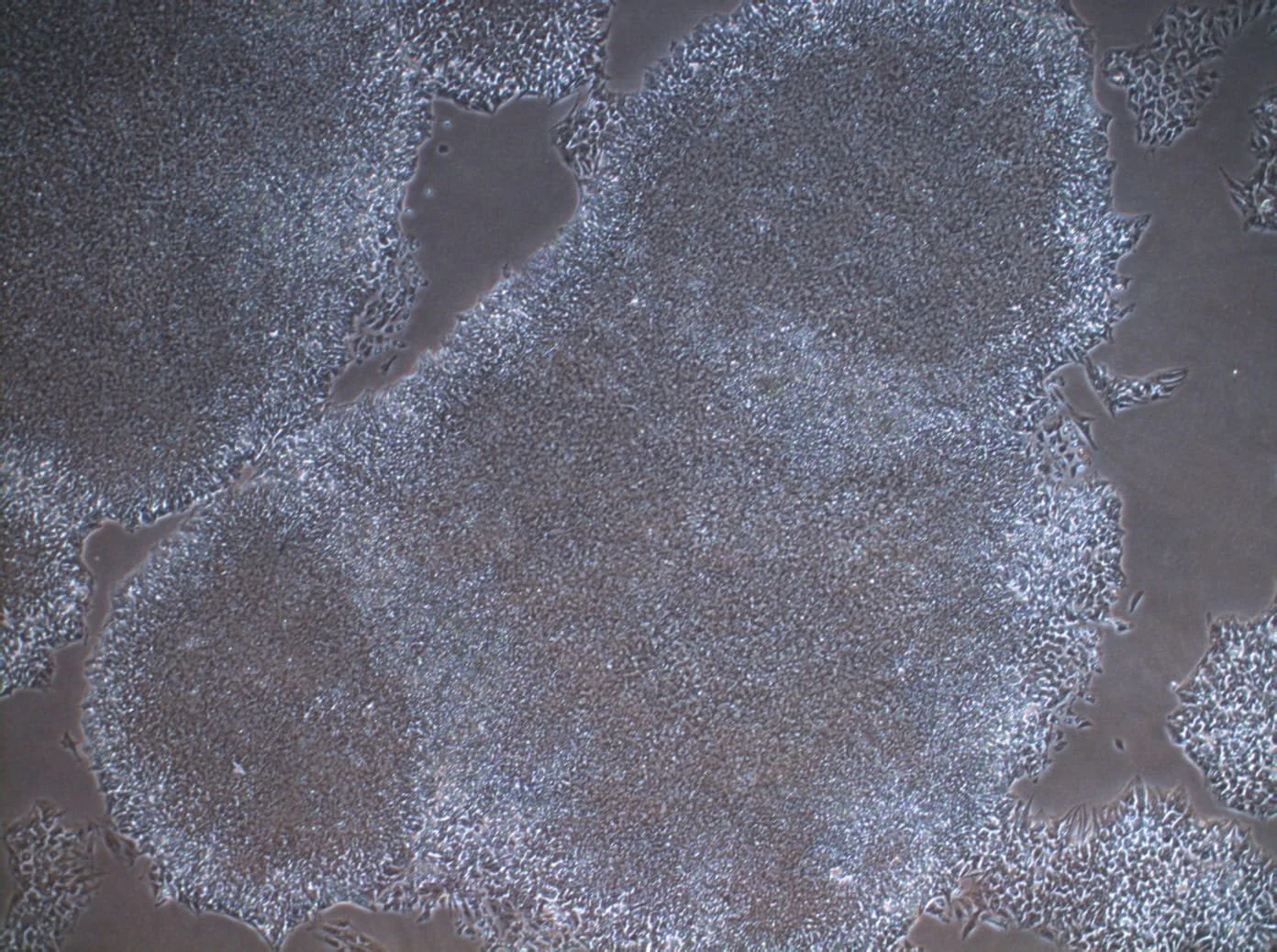
Reproducibility as a commercial problem, not just a scientific one
How batch-to-batch variability and operator-dependent outcomes block commercialisation. Why pharma partners walk away from inconsistent data.
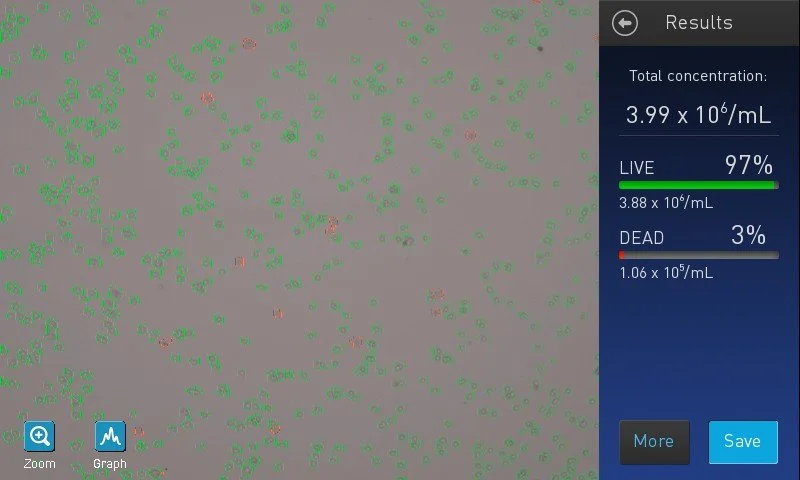
Why ancillary technologies for stem cell science fail, and what to do about it
Second pillar series overview examining systemic reasons TechBio ancillary technologies fail in developmental and stem cell science.

The sustainability question: what ethical, affordable, scalable, effective, safe, ecological means for this field
Introduces Paul de Sousa´s take on sustainability framework for the future of developmental and stem cell technology that runs through all of StemCells.Help blog series.
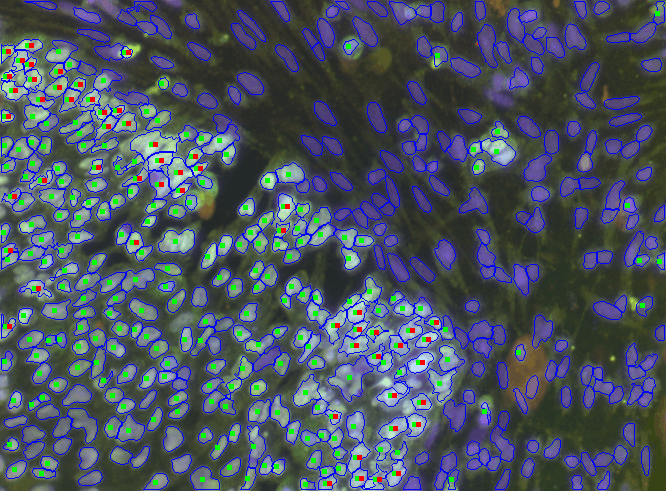
Applications overview: where developmental and stem cell science is applied today
Survey of current application domains: disease modelling, cell therapy, species preservation, agri-food, reproduction. Where each stands and what limits progress.
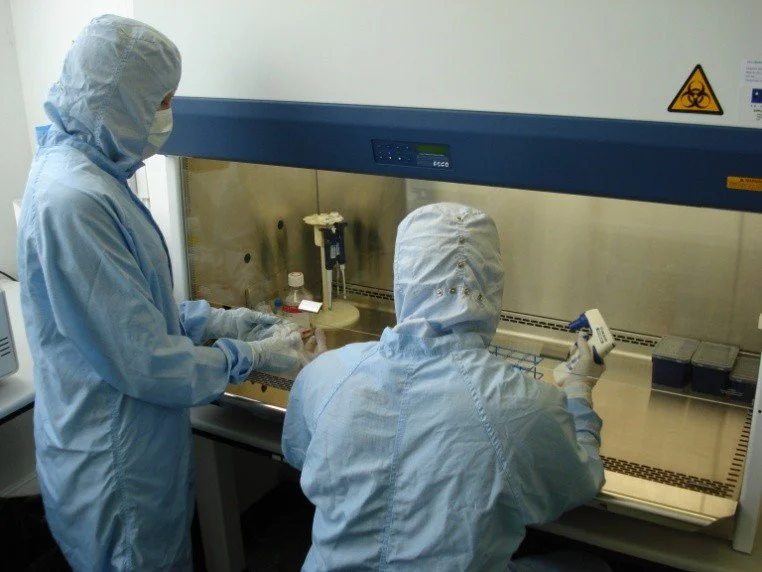
GMP and Quality by Design: what regulated manufacturing actually requires
What GMP means in the context of stem cell products. How Quality by Design differs from post-hoc testing. Practical implications for anyone building or using tools in clinical pipelines.
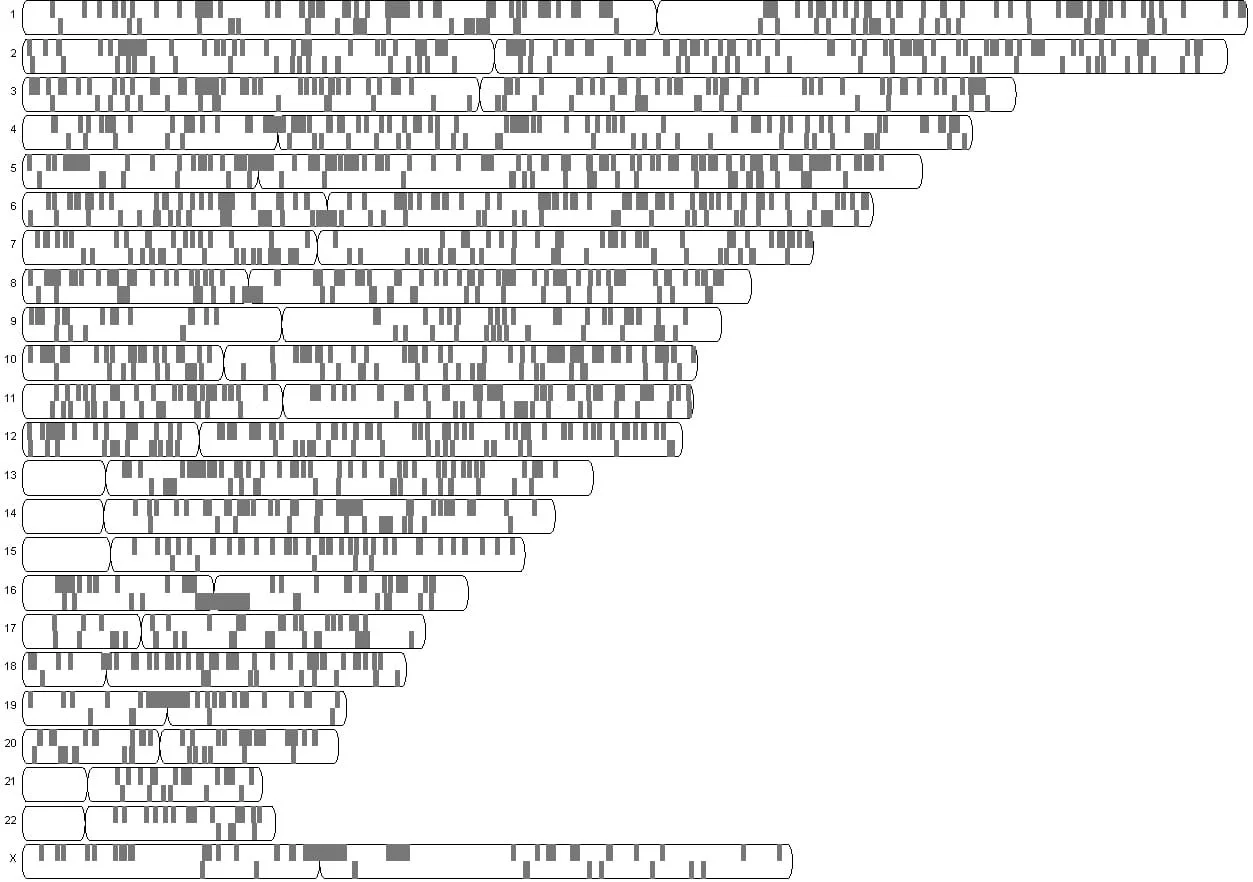
Characterisation and quality control: what we measure, what we miss
What assays and markers are used to assess stem cell identity and quality. Where current tools fall short: epigenetic stability, functional potency, and subtle state shifts.
Key methods: directed differentiation, organoids, single cell cloning, cryopreservation, cell banking
A practical overview of core laboratory and manufacturing methods used in stem cell science. What each does, why it matters, and where limitations lie.